
Within BIO², farmer networks have been set up for four key crops—potato, strawberry, grapevine, and wheat—to bring the project’s solutions into real farming conditions. These networks connect growers from Germany, Latvia, Italy, Norway, and Spain, creating a space for exchange across different regions and production systems.
Each crop has its own network, allowing for focused discussions while still encouraging learning across very different growing conditions.
From Research to Real Farming
BIO² is built on a simple principle: innovations need to work on real farms.
The project’s biocontrol agents and fertiliser solutions are therefore not only developed in research settings, but also discussed, evaluated, and—where possible—tested in practice. Farmers play an active role in this process, sharing their experience and providing feedback on how these solutions perform under real conditions.
The networks are intentionally kept small, making it easier for farmers to exchange openly and focus on what matters in day-to-day farming. Supported by facilitators from the BIO² consortium, discussions remain practical, grounded, and directly relevant.
Learning from Each Other
Bringing together farmers from various countries creates a unique space for exchange. While conditions differ, many of the underlying challenges are shared.
By comparing experiences and approaches, farmers gain new perspectives and identify solutions that may work beyond their own context. This exchange is one of the strengths of BIO² as it links diverse farming realities across Europe.
What Farmers Are Focusing On
Across the networks, a clear picture is emerging of the challenges and priorities shaping different crops.
Wheat: Soil Health and Nutrient Management
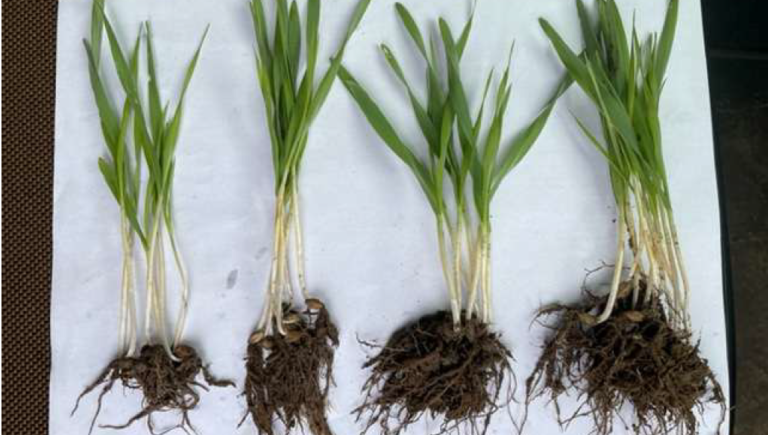
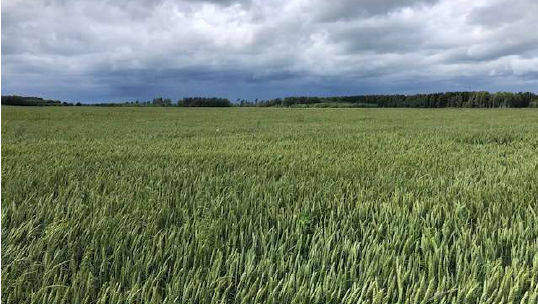
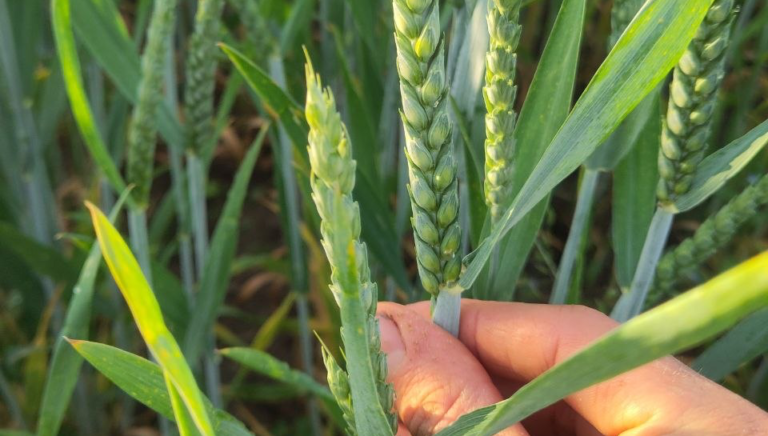
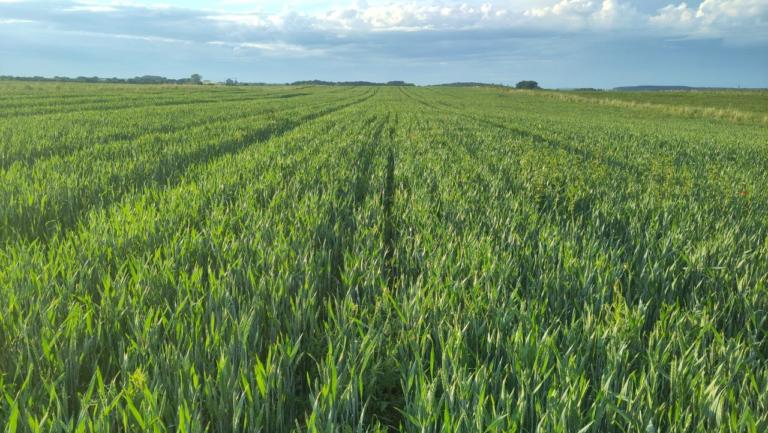
In regions where farmyard manure and compost are expensive, securing sufficient nutrients is challenging and requires careful planning. Weeds and fungal diseases are currently less prominent concerns, as relatively dry conditions and lower fertilisation rates reduce pressure. During the 2026 growing season, hydrolysed fish proteins will be tested as a fertiliser on two Norwegian farms, following promising results in BIO² pot experiments with wheat. To ensure economic viability, farmers pursue a range of strategies, including growing traditional landraces with higher market value, producing seed for planting, selling cereals directly through farm shops, and using wheat as feed in collaborating poultry farms.
- Potato: Managing Disease and Insect Pressure
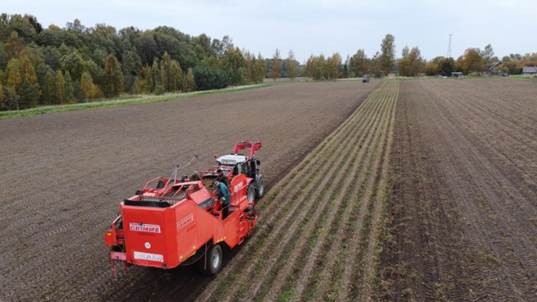
For potato, the fungal disease late blight (Phytophthora infestans) is a major challenge in organic cultivation. There are also other issues, such as aphids, which appear to be more significant in Latvia than in Norway. The preceding crop has a strong influence on this problem. Colorado potato beetle is a concern in Latvia but not in Norway, and it is mainly a problem in small-scale cultivation.
- Strawberry: Complex Pest and Disease Challenges
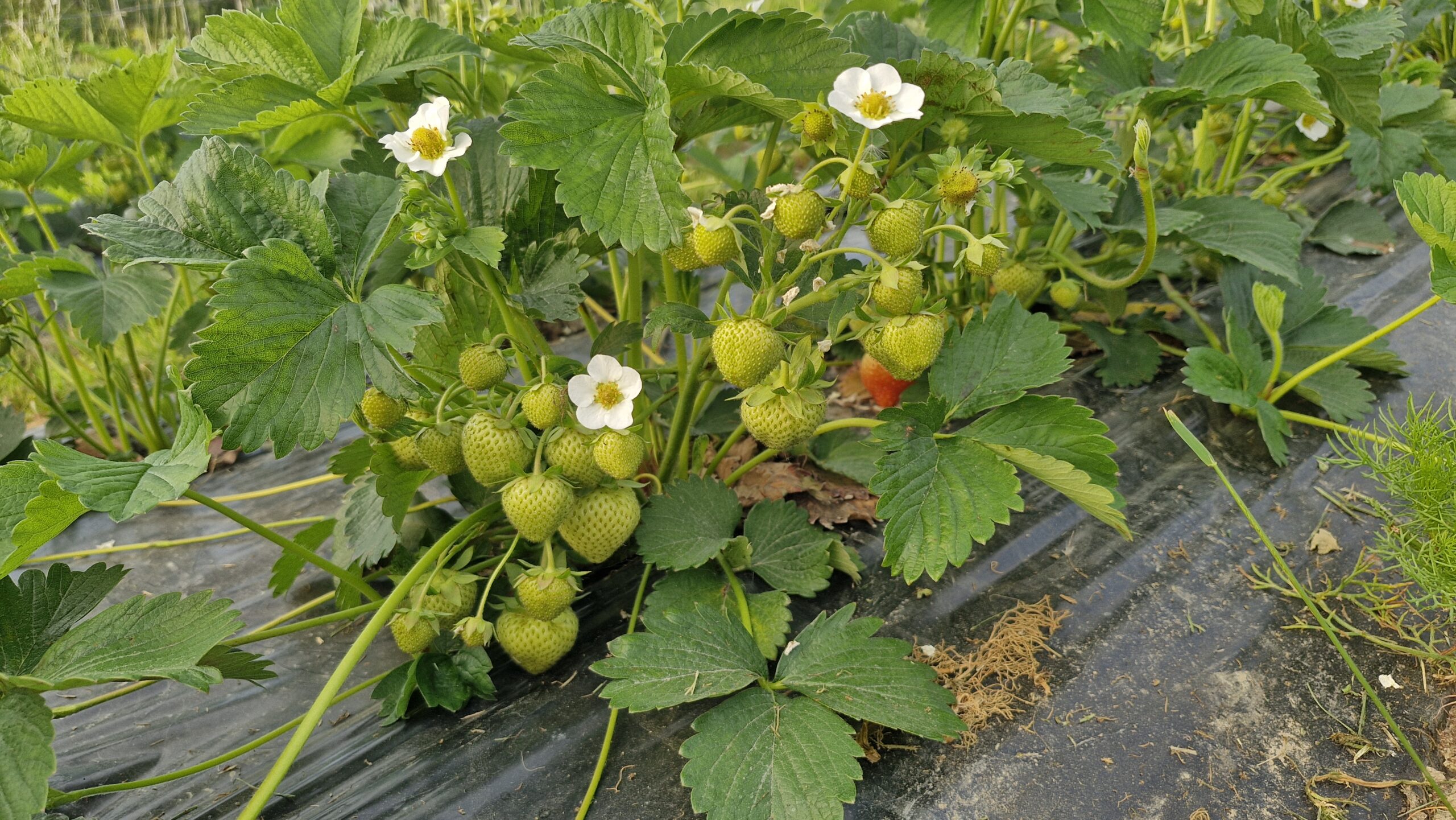
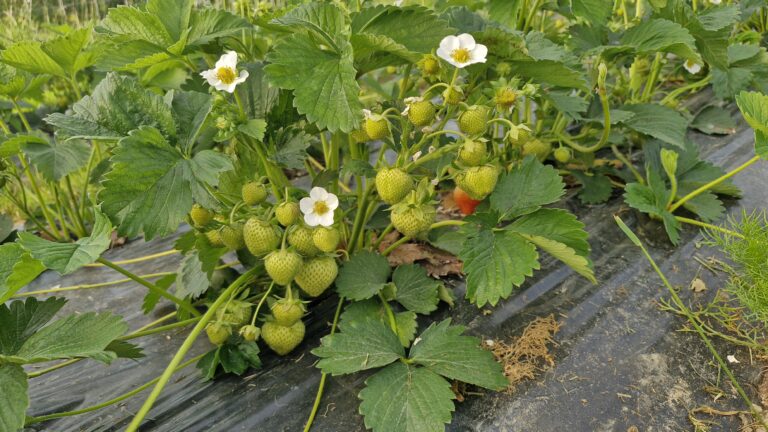
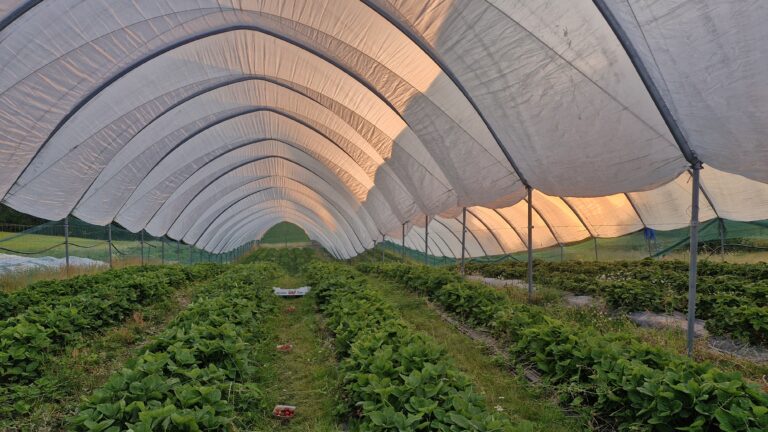
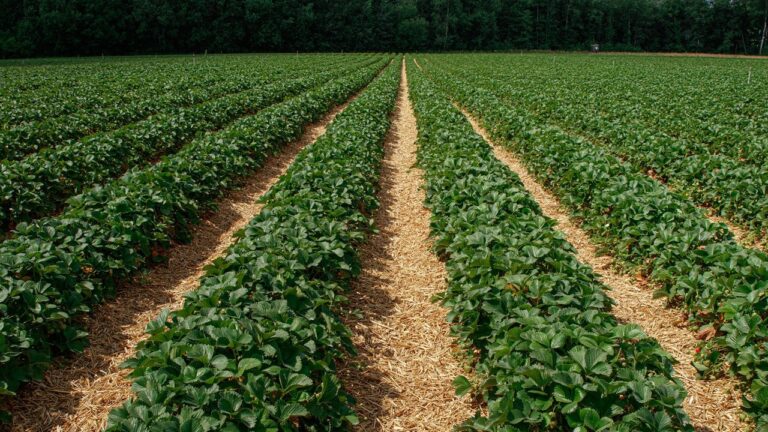
Strawberry growers face a range of pest-related challenges, which vary between farms—from weevils and cyclamen mites to snails. Powdery mildew is commonly managed through regular sulfur applications, although there is strong interest in alternative solutions. Production systems also differ: Norwegian growers typically use protected cultivation in tunnels, while in Latvia strawberries are grown in open fields. The range of cultivars is similar across countries, providing a solid basis for exchange and discussion.
- Grapevine: Reducing Inputs and Improving Resilience
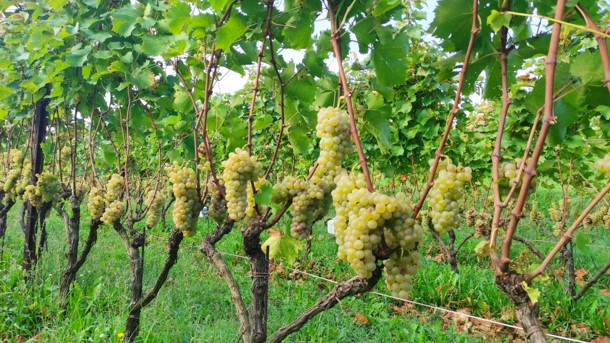
In grape production, significant amounts of copper are used to control fungal diseases, especially under moist weather conditions. Growers are interested in research on biostimulants to improve plant resilience to drought. They are also calling for effective biocontrol agents against downy and powdery mildew to reduce the use of copper and sulfur. Commercial fertilisers are often expensive and do not always perform as expected, so there is a clear demand for more efficient alternatives.
Pictures: Farmers from the Farmer’s BIO² Network, BIO²